
Lunchbox Wins: School Lunch Ideas for Busy Families
You need something to pack tomorrow. Preferably something your child will eat, made from groceries you recognize, without adding another cooking project to tonight.
These seven school lunch ideas give you complete combinations, simple swaps, and prep tips to make that decision easier. Start with a few that fit your family, then use the packing and texture notes to give lunch a fighting chance of coming home eaten.
Because at 7:12 a.m., nobody needs a lunchbox with a creative director. You need lunch packed and someone to find the other damn shoe.
School Lunch Ideas You Can Put Into Rotation
A useful rotation holds familiar combinations that bend to your child's appetite and school setup. Check school food policies before choosing ingredients, and cut or prepare foods appropriately for your child's age and eating skills. Treat these as suggestions to try; no child is obliged to love every one.
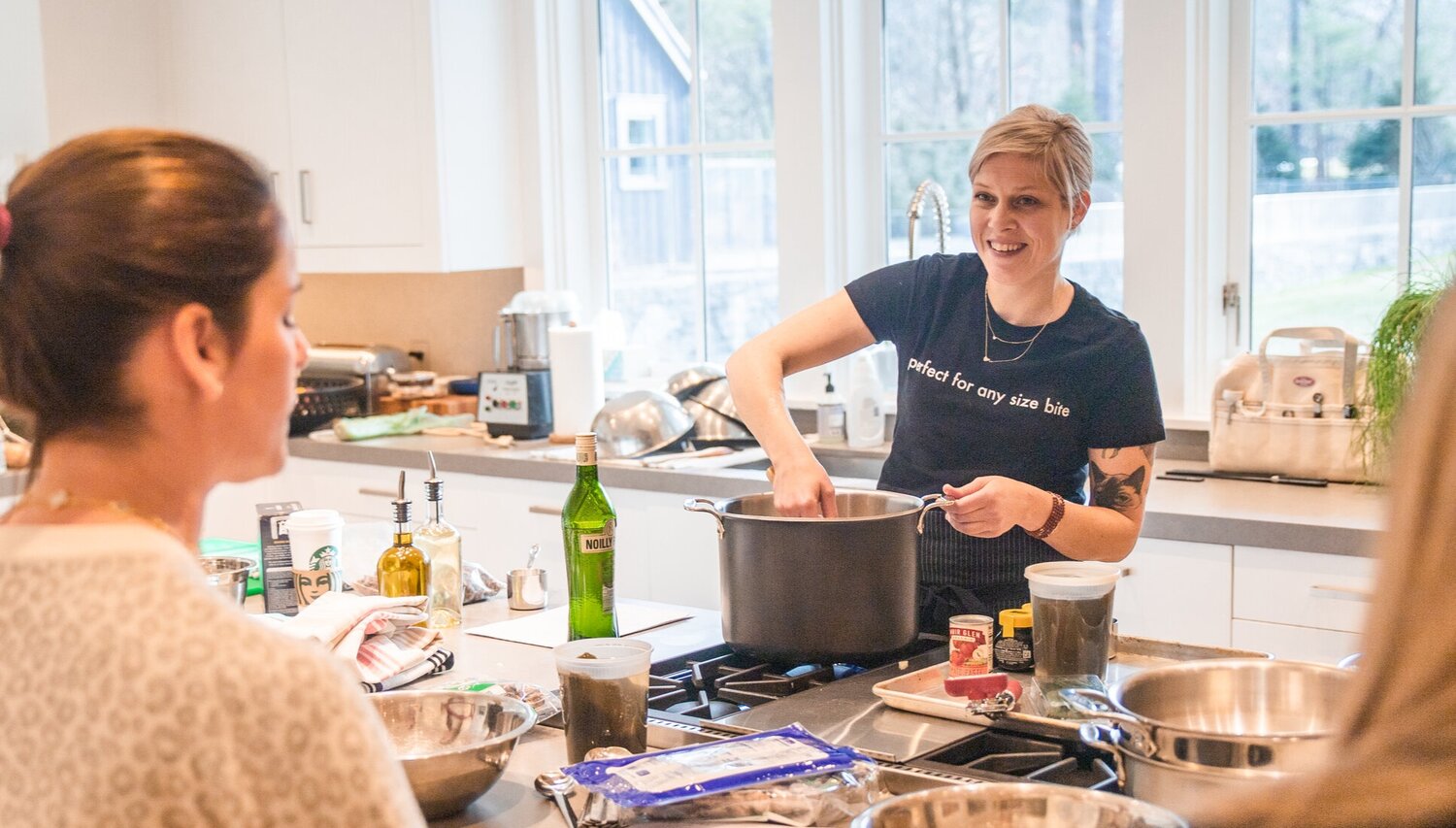
The first three ideas come from Chef Bernadette, a professional chef with Tiny Spoon Chef and a mom who has packed her share of school lunches. She's what we call a Chef BFF: a chef who gets to know your household, learns its food preferences, and plans and cooks around real life.
Even she wondered whether her daughter ate what she packed. Her daughter eventually confessed that lunch items were being traded in the middle school cafeteria. Professional expertise, meet a market where homemade loses to anything shaped like a dinosaur.
Salmon, rice, and edamame
Pair cooked salmon with rice and shelled edamame, with fruit alongside. An extra portion of cooked rice or another cooked protein works here too. Offer furikake separately if your child enjoys it; blends vary, so check the ingredient label and school policy.
Use compartments if your child prefers separate foods. The rice and salmon can see each other without making physical contact. A bowl works if everyone's on speaking terms.
Flake the salmon and check carefully for bones.
Gyoza with clementines
Prepare frozen gyoza according to the package directions and pair with clementines and a vegetable your child enjoys. Pack a small soy-and-vinegar dipping sauce separately if wanted.
Expect a softer dumpling after chilling. If the crisp bottom is the entire point for your child, save that version for home. Six hours next to a juice box will humble a crispy bottom.
Salami, mozzarella, and pesto on sourdough
Toast the sourdough lightly and let it cool completely before building the sandwich. Toasting dries the surface so it takes up less moisture, and cooling keeps steam from undoing the work. Layer salami, mozzarella, and basil-spinach pesto, with apple slices alongside, and keep the spread modest.
If sandwiches tend to return untouched, try the bread, cheese, and salami separately. Check pesto ingredients against household needs and school rules; recipes differ.
Bean-and-cheese wrap
Spread mashed beans thinly over a tortilla, add cheese, and roll. Serve with cucumber and fruit. Pack salsa separately so the tortilla doesn't spend the morning absorbing it.
For a child who prefers individual components, send beans, cheese, and tortilla pieces in separate compartments. Skip the rolling altogether.
Chicken pasta salad
Combine cooked pasta, cooked chicken, and a vegetable your child already likes. Start lightly with a familiar dressing, and keep extra dressing separate so the pasta doesn't sit in a puddle.
Cook a little extra chicken for tomorrow's sandwich, too. One round of cooking, two lunches. Tomorrow-you would send flowers, but finding the bread will have to do.
Chickpea-and-pita lunch
Pack chickpeas, pita pieces, cucumber, and a preferred dip in separate sections. Mash the chickpeas if that texture works better, and use a securely closing container for the dip.
Change the bread or dip to add variety while keeping the familiar ingredients. Nobody needs to develop a new lunch concept while brushing their teeth.
Egg, cheese, and cracker box
Pair a hard-boiled egg with cheese, crackers, fruit, and a vegetable. Prepare the egg in advance, refrigerate it, and keep crackers away from damp ingredients.
Check that your child can open every container. A beautifully packed lunch behind an impenetrable lid is just a tiny escape room with cheese.
Choose a Few Components That Work More Than Once
Choose a few components that fit several lunches, then vary how they are served.
For an illustrative three-lunch rotation, start with cooked chicken, pasta, cucumber, cheese, bread, crackers, and fruit. One lunch is chicken pasta salad. Another is a chicken sandwich with cucumber alongside. A third is a compartment box with chicken, cheese, crackers, and fruit.
The useful change might be the texture or arrangement rather than an entirely different dish. If your child enjoys repeats, repeat them. The internet can have its cucumber origami; you have a bus to catch.
For more simple components and dips, Planning lunch is no joke! has plenty, and each extra sauce adds one more decision, so pick only what fits the lunches already planned. For school-week recipes beyond the lunchbox, see Easy Back-to-School Meals.
What Can You Prepare Before a School Morning?
Prepare the components that hold their texture, and leave moisture-sensitive assembly for the morning. Washing produce, cooking protein, boiling eggs, or portioning a dip reduces the work left before departure.
Write down the finishing steps: assemble the sandwich, add the crackers, pack the cold sources. Put that note where whoever is packing lunch can see it, so the plan survives a change of operator.
Keep food handling straightforward. FoodSafety.gov's back-to-school meal prep guidance recommends an insulated lunch bag with two cold sources for perishable food, and notes that prepared items can be refrigerated ahead. A lunch eaten cold still needs appropriate chilling.
Preparing ahead does not mean storing every cooked ingredient for an entire school week.
When the Lunchbox Comes Home Full
A full lunchbox is a reason to ask what happened before changing the menu. Was the food difficult to open, too mixed together, unfamiliar, or simply more than your child wanted? Was there enough time to eat?
Ask one specific question, then try one adjustment. Separate the sauce. Change the bread. Reduce the amount of an unfamiliar component while keeping something familiar. Find out what flopped, make a small change, and resist forming a lunch committee.
For broader guidance beyond the lunchbox, From Picky to Pleased covers family mealtime preferences.
Frequently Asked Questions
Which school lunches work without a microwave?
Sandwiches, wraps, component boxes, and pasta salads work when your child enjoys them cold. Pack perishable foods in an insulated lunch bag with two cold sources. No microwave does not mean no temperature control.
Can school lunch be prepared the night before?
Many components can be prepared ahead and refrigerated, including boiled eggs and cut fruit and vegetables. Keep crackers, delicate bread, and sauces separate where moisture would affect texture, then finish assembly in the morning.
How do I keep a sandwich or wrap from getting soggy?
Use a thin layer of spread and pack juicy fillings like tomato or salsa in a separate container. Assemble as close to packing time as the morning allows. By lunchtime, the bread should still qualify as a solid.
What can I pack if my child doesn't like sandwiches?
Offer the same ingredients in a different arrangement: a compartment box, a bowl, a pasta salad, or a wrap. Several combinations above skip the sandwich entirely, including rice with salmon and edamame, chickpeas with pita pieces, and the egg and cracker box. Start with foods your child already eats, then change the format.
Where a Personal Chef Can Help With the Lunch Routine
A personal chef handles the planning, shopping, and cooking behind a household's meals, and lunch can be part of that conversation. If the lunchbox is where the week keeps falling apart, bring it up when the menu gets built.
Tiny Spoon Chef's Core Service covers fully customized menus, grocery shopping, in-home cooking and cleanup, and meals labeled and organized in your fridge, with weekly or bi-weekly chef visits. Each household gets a Chef BFF, the chef who learns the family's preferences over time, including which ingredients keep getting a hard pass. Additional hours are available for snacks and extra meals, so ask what lunch support could look like for your household.
The goal is a fridge with useful options and fewer "LUNCH???" sticky notes beside the coffee maker.
Lunch is one meal. The planning somehow takes up the whole day. Take our dinner motivation quiz and tell us how feeding everyone fits into your life.
Ready to hand off some of the planning, shopping, and cooking? Let's talk about what a Tiny Spoon Chef could take off your plate.